Why Retail Brands Are Racing to Open In-Store Coffee Shops on Shopify
Inspiration
June 24, 2026
Andrew Cargill, Founder of Zapiet
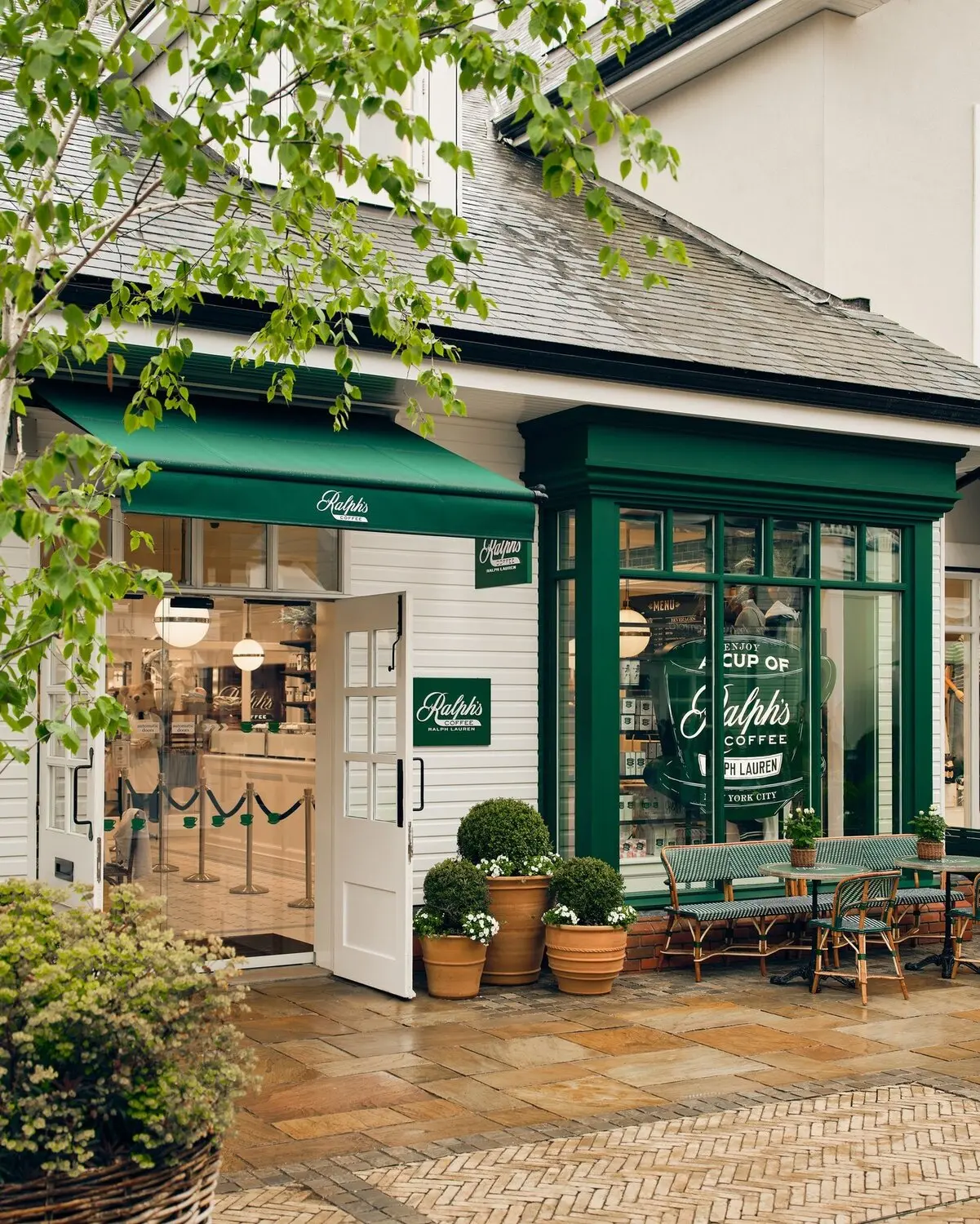
Retail is changing again.
For years, brands were told that physical stores had to fight against ecommerce. The store was the old world. The website was the future. Footfall was falling, attention was moving online, and every product page was competing with every shelf.
But the smartest retail brands are not treating stores as outdated. They are turning them into places people actually want to spend time.
One of the clearest signs of that shift is coffee.
Across fashion, luxury and lifestyle retail, more brands are opening in-store coffee shops, cafés and hospitality spaces. CNBC recently explored the trend in its video, “Why Retail Brands Are Racing To Open In-Store Coffee Shops”, highlighting names like Uniqlo, Coach, Louis Vuitton, Dior, Capital One and Ralph Lauren.
The reason is simple: coffee changes the role of the store.
A shop becomes somewhere to pause. Somewhere to meet. Somewhere to take a photo. Somewhere to feel the brand, not just buy from it.
And now, with Zapiet Eats, Shopify merchants can create their own in-store coffee shop faster than ever.
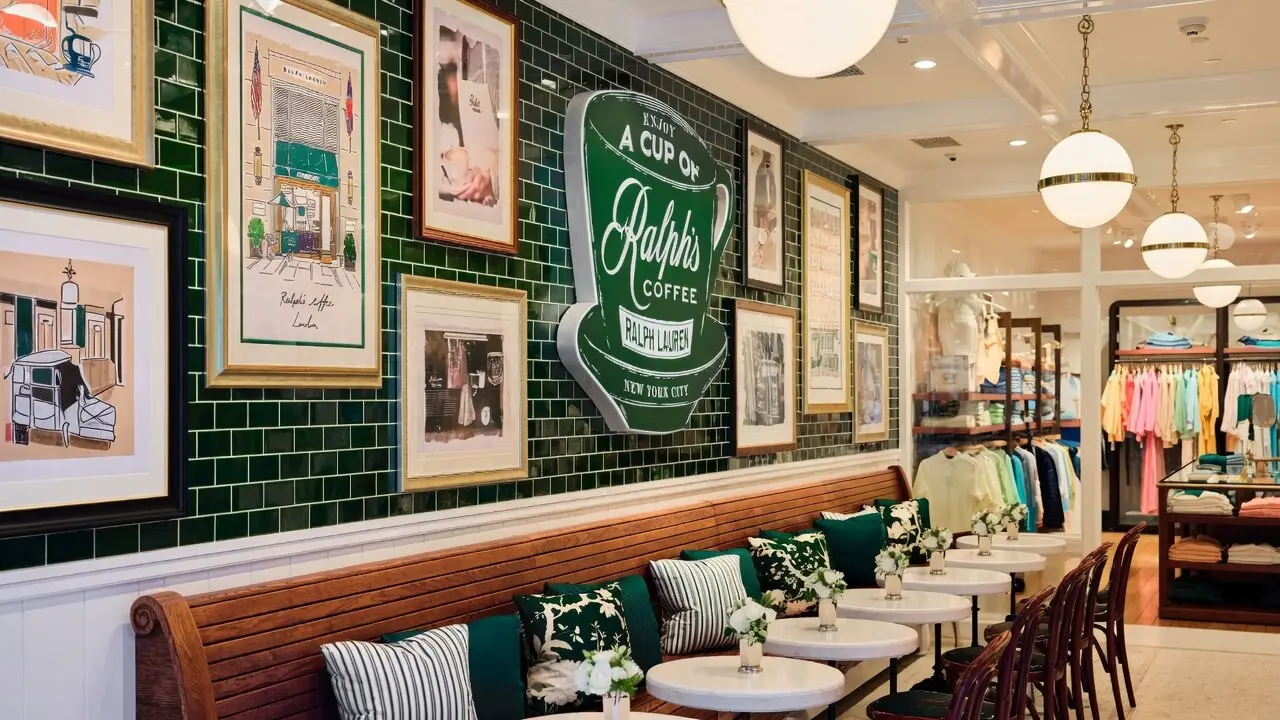
@bicestervillage - Ralph's Coffee Shop Bicester Village
Coffee isn't the product. The feeling is.
Most retailers already understand the challenge. Getting someone to visit a physical store is harder than ever.
Customers can browse products online. They can compare prices in seconds. They can order from their sofa and have products delivered to their door. Convenience is no longer enough to make someone travel to a store.
So the question becomes: why should someone visit?
For many brands, coffee is becoming part of the answer.
In her talk How SMART Brands Use Emotion to SELL!, Marketing extraordinaire Emili Horncastle makes the case that the brands winning today aren't selling features — they're selling feelings. People don't remember the spec sheet; they remember how a brand made them feel.
A coffee shop gives customers a reason to come in even when they are not ready to buy clothes, jewellery, homeware or gifts. It creates a softer entry point into the brand. Someone might visit for an iced latte and leave with a candle. They might meet a friend, browse for ten minutes, post a photo, try something on and come back the next week.
That is the magic.
Coffee makes the store feel less transactional. It slows people down. It gives the brand more time to tell its story.
Ralph's Coffee: a masterclass in branded hospitality
Ralph Lauren is one of the clearest examples of how powerful branded coffee can be.
Ralph’s Coffee does not feel like a random café attached to a shop. It feels like a natural extension of the Ralph Lauren world. The colours, cups, interiors, staff uniforms, pastries and photography all work together. It is not just coffee. It is hospitality, memory and brand theatre.
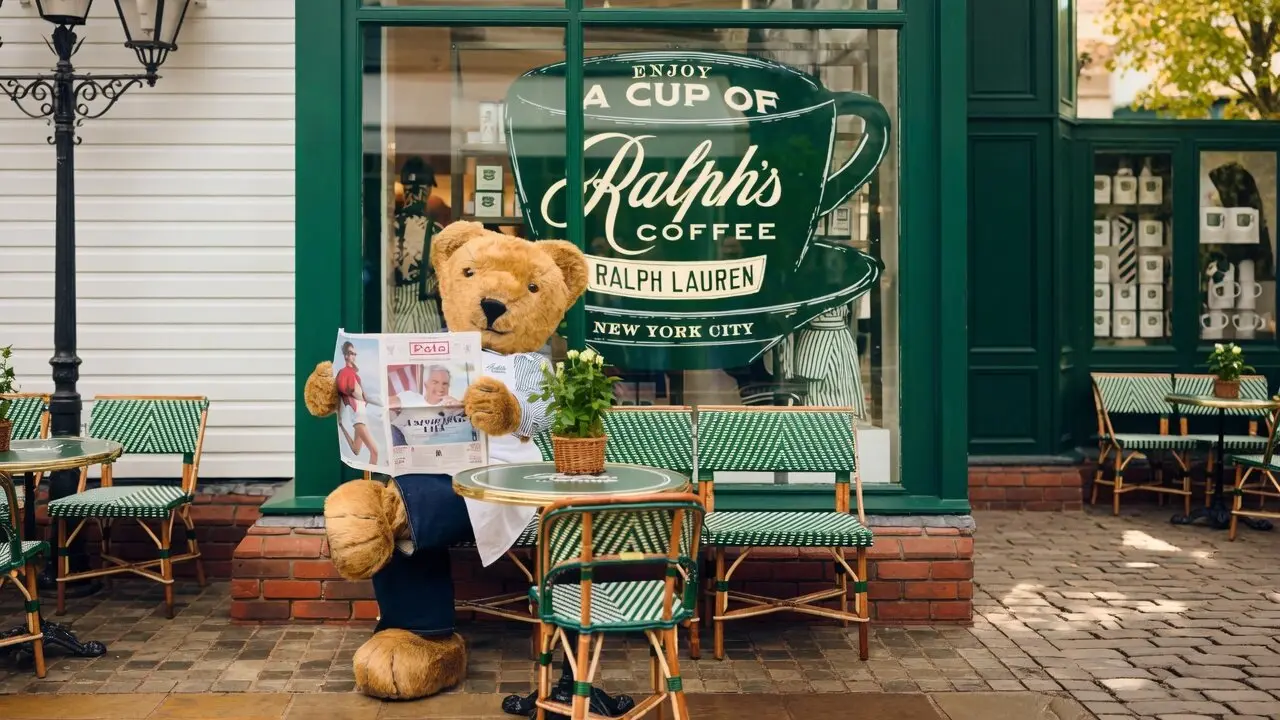
@bicestervillage - Ralph's Coffee Shop Bicester Village
The new Ralph’s Coffee location at Bicester Village in England is a great example of this in action.
For shoppers moving through one of the UK’s best-known luxury retail destinations, Ralph’s Coffee gives them somewhere to stop, relax and spend more time with the brand. It turns a shopping trip into a small experience. It creates a reason to take photos, share content and associate the Ralph Lauren name with something warmer than a product on a hanger.
That is the real opportunity for Shopify merchants.
You do not need to be Ralph Lauren to understand the strategy.
A fashion boutique can serve branded coffees that match its aesthetic. A homeware store can create a cosy drinks menu that makes the store feel more lived-in. A children’s brand can offer hot chocolates for families. A surf shop can sell iced drinks and smoothies in summer. A florist can serve coffee while customers wait for bouquets. A bookstore can turn quiet browsing into a full afternoon.
The coffee shop does not replace the retail brand. It deepens it.
The catch? A brand the size of Ralph Lauren has the resources to build that. For most Shopify merchants, standing up a coffee operation has always meant menus, POS integration, product catalogues, photography, allergen and nutrition data — weeks of work before a single cup gets sold.
That's exactly the barrier Zapiet Eats removes.
Open your in-store coffee shop in seconds
Zapiet Eats now ships with an AI setup guide that does the heavy lifting for you. Instead of building a menu by hand, you simply answer a few quick questions about what you want to serve:
- Drink types — hot, cold, and soft drinks
- Milk options — cow, oat, and soya
- Sizes — small, medium, and large
From your answers, Zapiet Eats automatically generates every variation of every item on your Shopify store — a small oat-milk latte, a large iced soft drink, and everything in between — without you touching a spreadsheet.
And it doesn't stop at the menu structure. Each product comes complete with:
- Beautiful product photography so your menu looks the part from day one
- Ready-written descriptions that sell the experience, not just the drink
- Allergen information so customers can order with confidence
- Calorie and nutrition data to keep you compliant and transparent
What used to take a team weeks now takes seconds. You go from "we should add a coffee bar" to a live, photographed, fully-described, compliant menu before your espresso machine has finished warming up.
This isn't a hunch, it's already working at scale
If you want evidence that Shopify-powered coffee shops can run at serious volume, look at Contis. The coffee shop chain has been running on Zapiet Eats and, in just the past six months, has processed over 100,000 orders across 100+ locations.
That's not a pilot. That's a proven, repeatable model running every day across a national footprint — built on the same Shopify-native tooling that's available to you right now.
Read the full story: The Restaurant Empire That Runs on Shopify →
Start your in-store coffee shop — in seconds
You do not need to be Ralph Lauren to add coffee to your retail store.
If you already have a Shopify store, Zapiet Eats can help you launch an in-store coffee shop without spending days building menus, products and variants by hand.
Our new AI setup guide asks a few simple questions about what you sell, such as hot drinks, cold drinks, soft drinks, milk choices and sizes. From there, Zapiet Eats creates your first drinks menu in Shopify, complete with product options, descriptions, photography and key details ready for you to review.
For retailers, it is a practical way to add extra revenue, bring people into the store more often and give customers a reason to stay longer.
Install Zapiet Eats for free and start building your own in-store coffee shop on Shopify today.
Share this post