Shopify's most unexpected opportunities: Emili Horncastle's DotDev talk
Insights
July 27, 2026
Olya Kryvonos
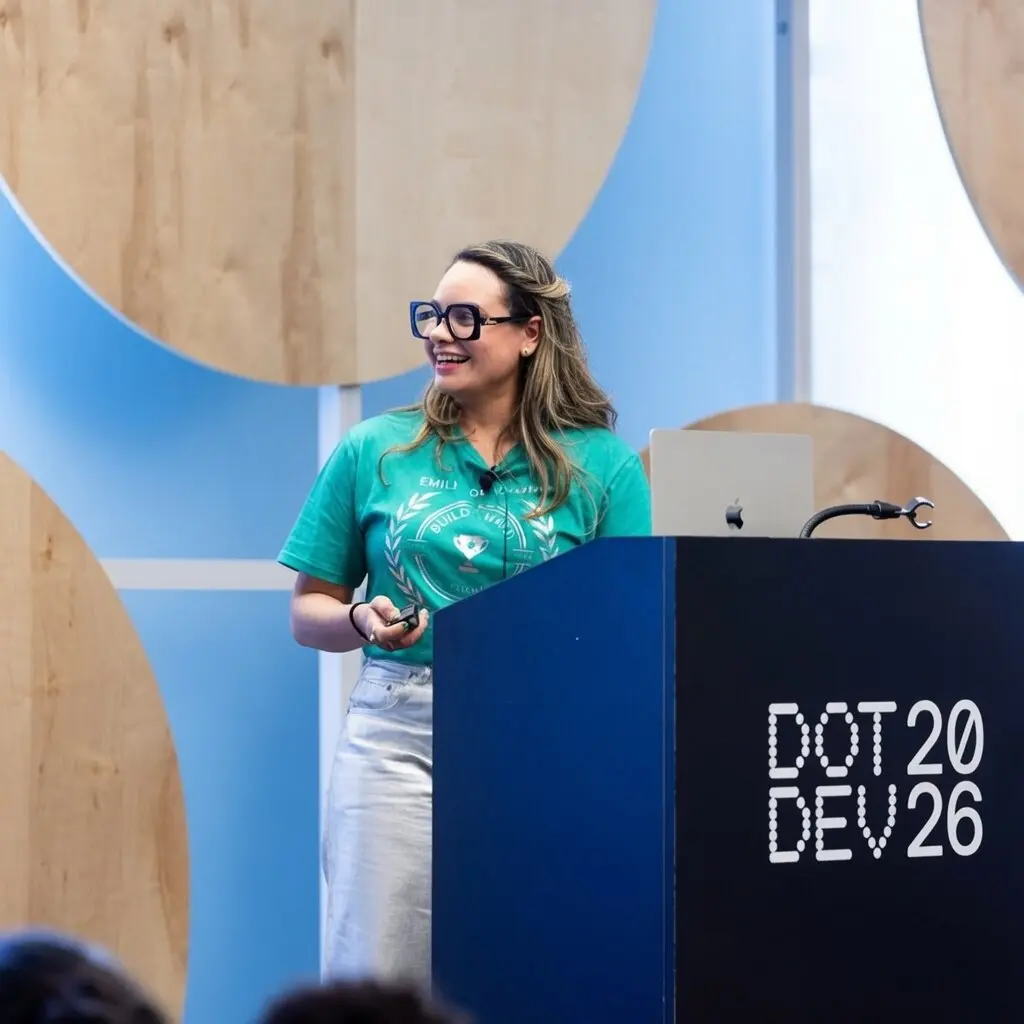
Those are the exact questions Emili Horncastle, Zapiet's co-founder, CMO, and Creative Director, opened with on stage at DotDev 2026. Eleven years ago, she and co-founder and CEO Andrew Cargill started Zapiet after Andrew spotted a gap in the Shopify forums that nobody had solved yet. Since then, Emili's version of "product research" has taken her to some genuinely strange places. Her talk pulled the thread connecting all of them: none of it was luck. It was the same instinct, applied over and over, to industries nobody thinks to associate with Shopify.
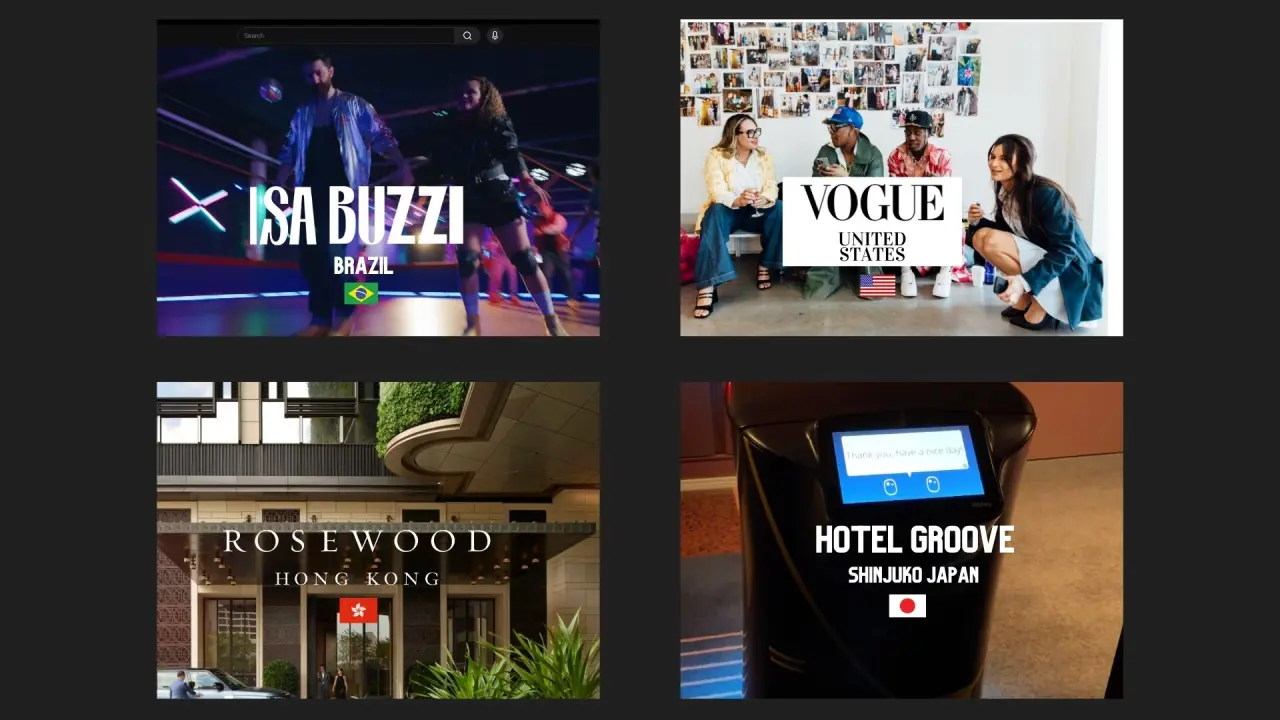
Four industries, four countries, one instinct: get close, stay curious, and see what happens.
The industry hiding in plain sight
Ask most people to picture a Shopify merchant, and they'll land on the same handful of categories every time: apparel, beauty, furniture, groceries. Product-first businesses, where selling goods is the whole point.
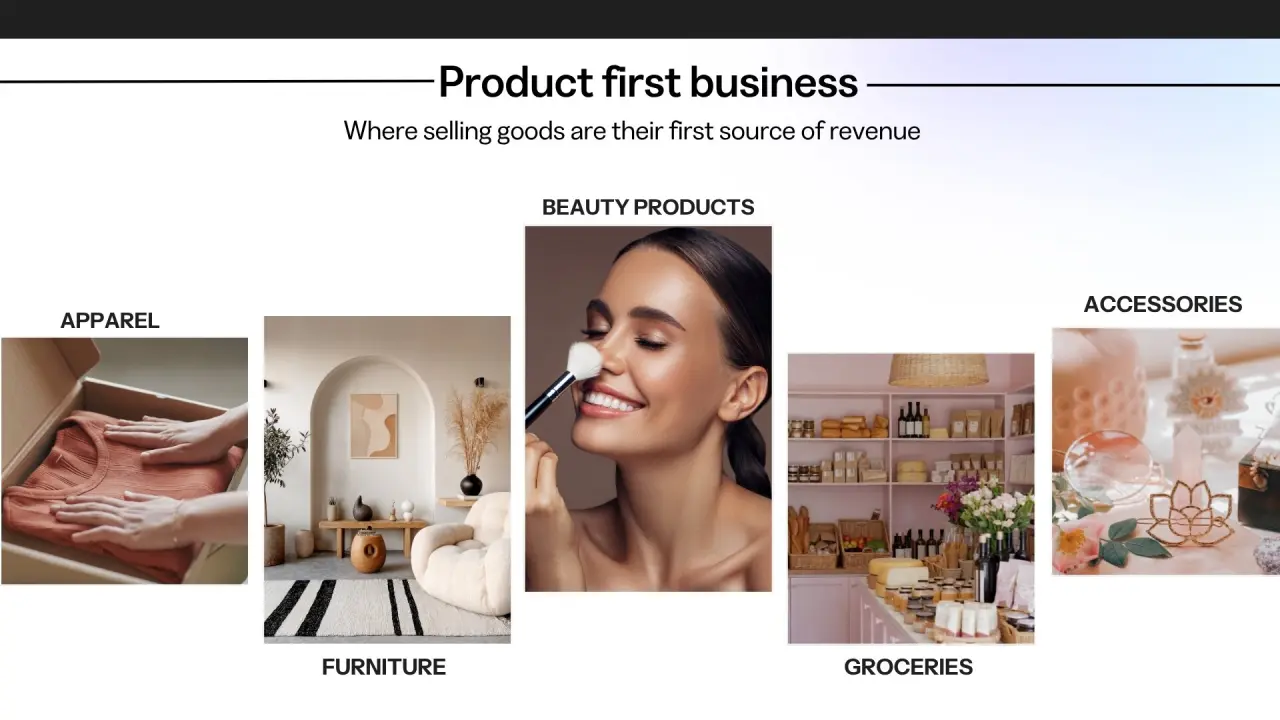
Product-first: the businesses everyone already pictures when they think "Shopify merchant."
Emili's argument was that the far bigger opportunity sits somewhere else entirely: service-first businesses, where selling physical goods is secondary to the service itself. Hotels. Restaurants. Cafes. Hairdressers. Live events. Places that already have customers walking through the door every day, and barely any infrastructure built to sell to them.
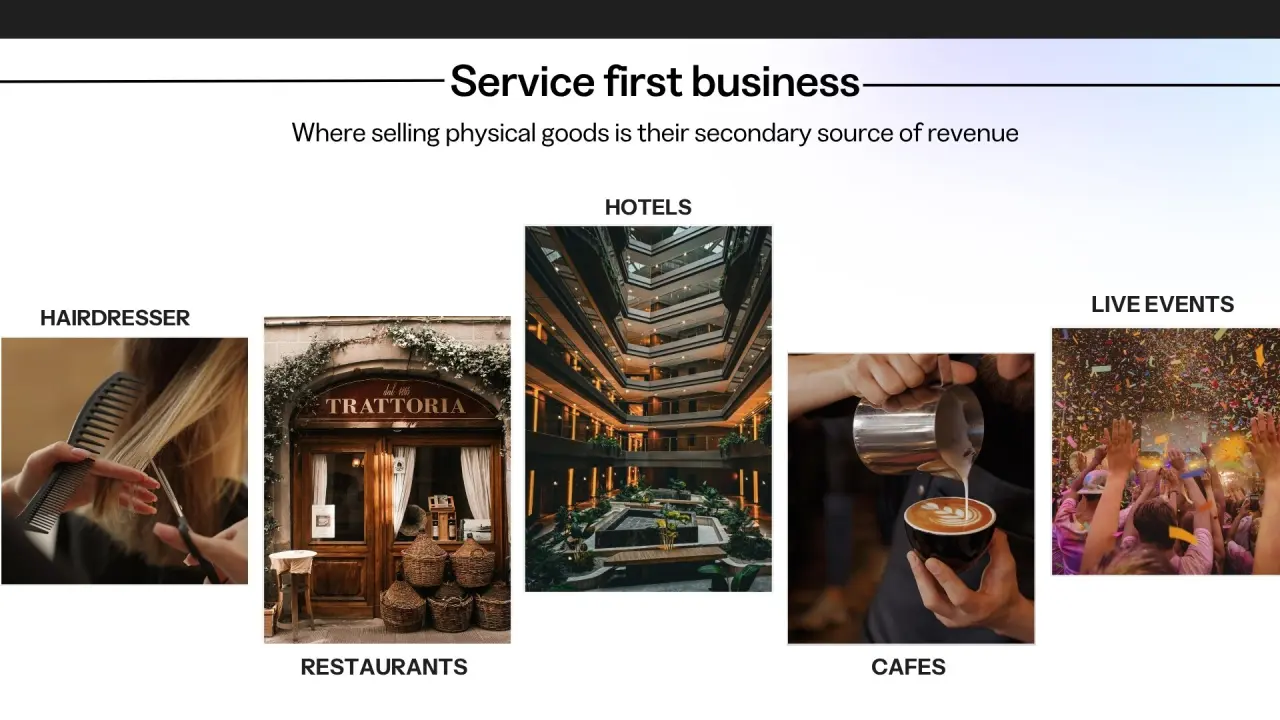
Service-first: the businesses hiding in plain sight, and where Emili sees the real opportunity.
That gap is exactly how she ended up on Isa Buzzi's video set in Brazil, featured in Vogue in the US, staying at a hotel that's won World's Best Hotel, and talking robotics with a hotel in Shinjuku, Japan. Four completely different industries, one repeated pattern: operational complexity that looks like a headache is usually a gold mine nobody's bothered to dig into.
What the fashion industry gets wrong
The Isa Buzzi story doubled as a way into a bigger problem: fashion doesn't predict demand, it guesses at it. Emili backed that up with numbers pulled from Billie Eilish's own merchandise operation: 400,000 unsold items, $18 million in lost revenue, and an industry that produces 92 million tonnes of textile waste every year.
Her point wasn't really about Billie Eilish. It was that better pre-sales planning and better historical analysis aren't nice-to-haves for merchants selling physical goods. They're commercial necessities, whether you're a global pop star's merch table or a corner store.
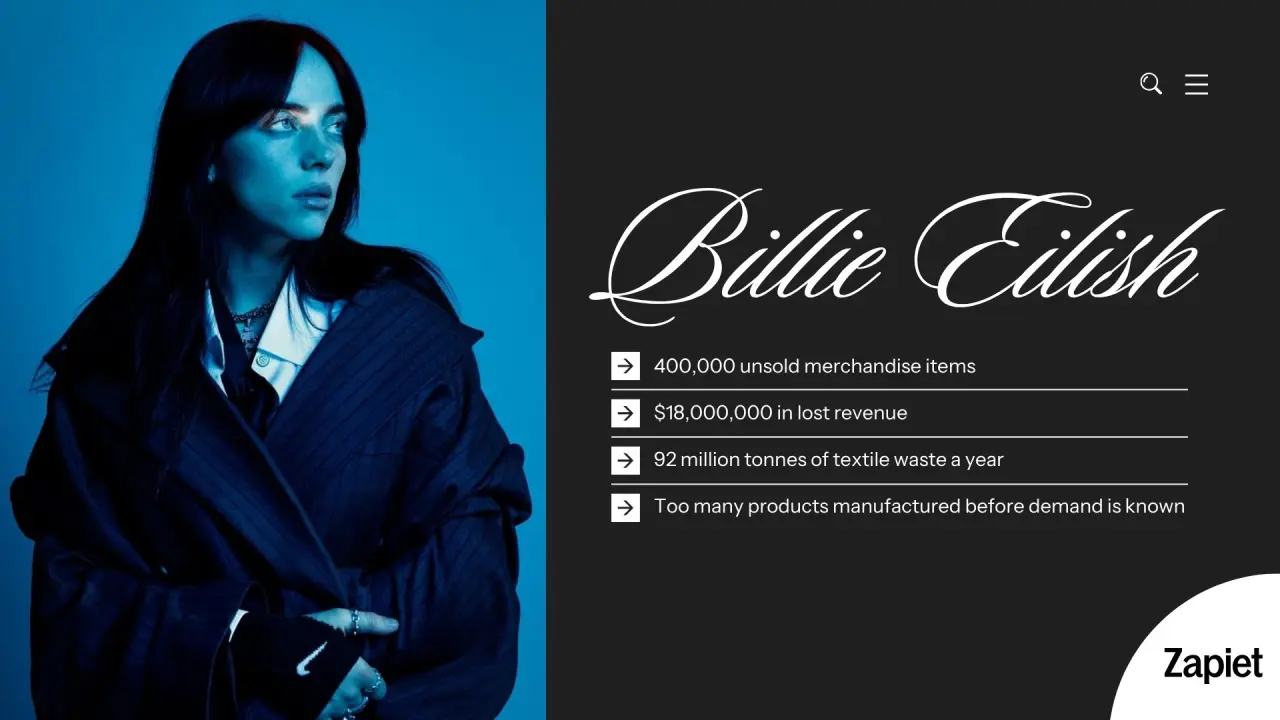
The numbers behind the guessing game the fashion industry still plays.
The myths holding partners back
The Vogue story became the setup for a different kind of myth-busting. Emili named four assumptions she's heard constantly from other developers: that the App Store is saturated, that there's nothing new left to build, that a multi-language app makes cultural research pointless, and that going niche means giving up on growth.
Her counter to all four was the same: be attentive to unexpected opportunities and actually act on them, and tailor products to specific industries instead of building generically. And if trying something unfamiliar feels hard, get coaching. Her line on this landed well in the room: if Beyoncé still gets voice coaching to this day, the most talented people need support to keep growing. So do you.
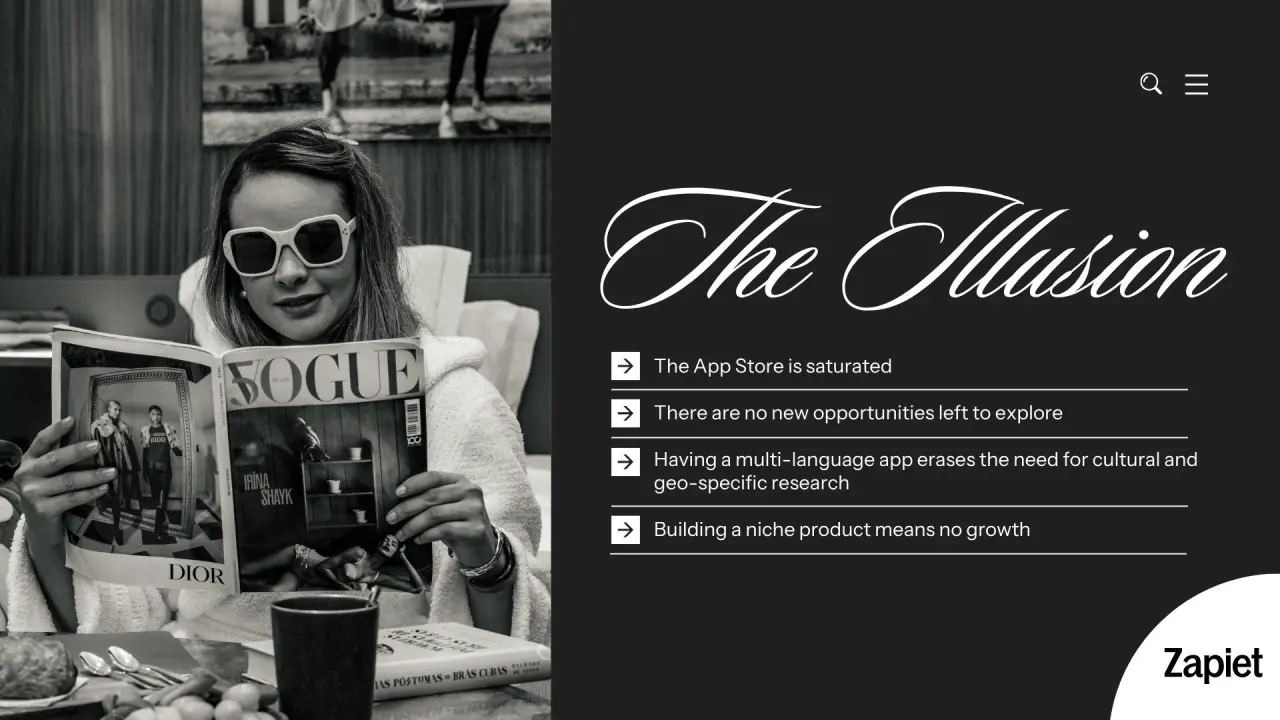
The four myths Emili says are holding partners back from their own unexpected opportunities.
Hotels, robots, and the case for going niche
The hotel chapter made the underlying economics concrete. Hotel guests are a completely different customer base from a store's usual shoppers, and treating retail and services as a genuine revenue stream, rather than an afterthought bolted onto checkout, opens up a pool of customers most merchants never think to count.
The chapter that took Emili's research all the way into a World's Best Hotel award-winner.
Japan pushed the point further. At Hotel Groove in Shinjuku, robot-delivered room service isn't a gimmick. It can double, even triple, a hotel's food and beverage revenue, driven by faster service, fewer guests defaulting to outside delivery apps, and the kind of social-media novelty that keeps paying for itself. Emili's read: staying connected to robotics and geo-specific payment systems now is how you catch the next innovation wave before everyone else does.
The real takeaway
Emili closed with four principles that tie the whole talk together:
- Travel is the most powerful shortcut to deep product research.
- Develop meaningful relationships with your merchants.
- Create your own discovery journey, and build an action plan around it.
- Be open. Step outside your comfort zone.
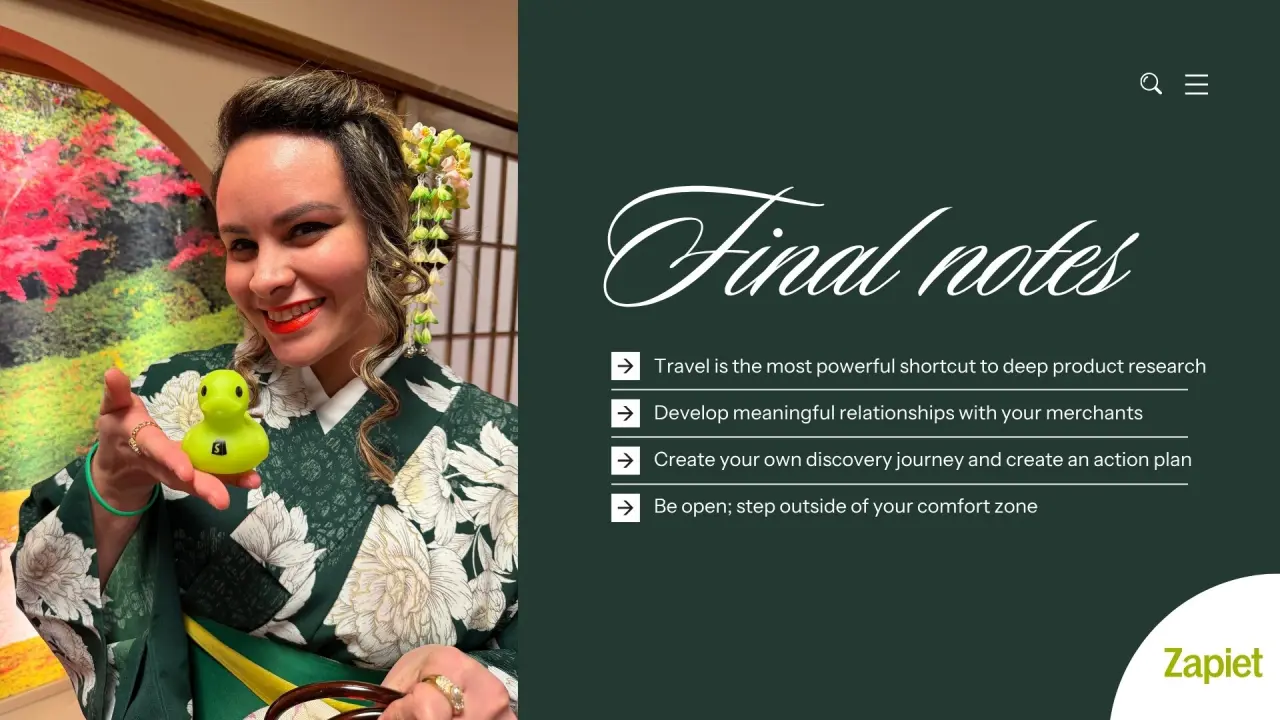
Where the talk ended: a kimono, a tiny Shopify duck, and four principles worth building around.
It's a fitting note from someone who, alongside Andrew, has spent eleven years doing exactly what she described on that stage: chasing down the unexpected and following opportunities that don't look like opportunities until you're already standing inside one. A few days after this talk, Shopify recognized that same spirit with the 2026 Build Award for Community. Read that story here.
Share this post